Complete Class 8 mensuration worksheet with 24 problems on volume and surface area. Master cuboid, cube, cylinder, cone, sphere, and hemisphere formulas with real-world applications and step-by-step solutions.
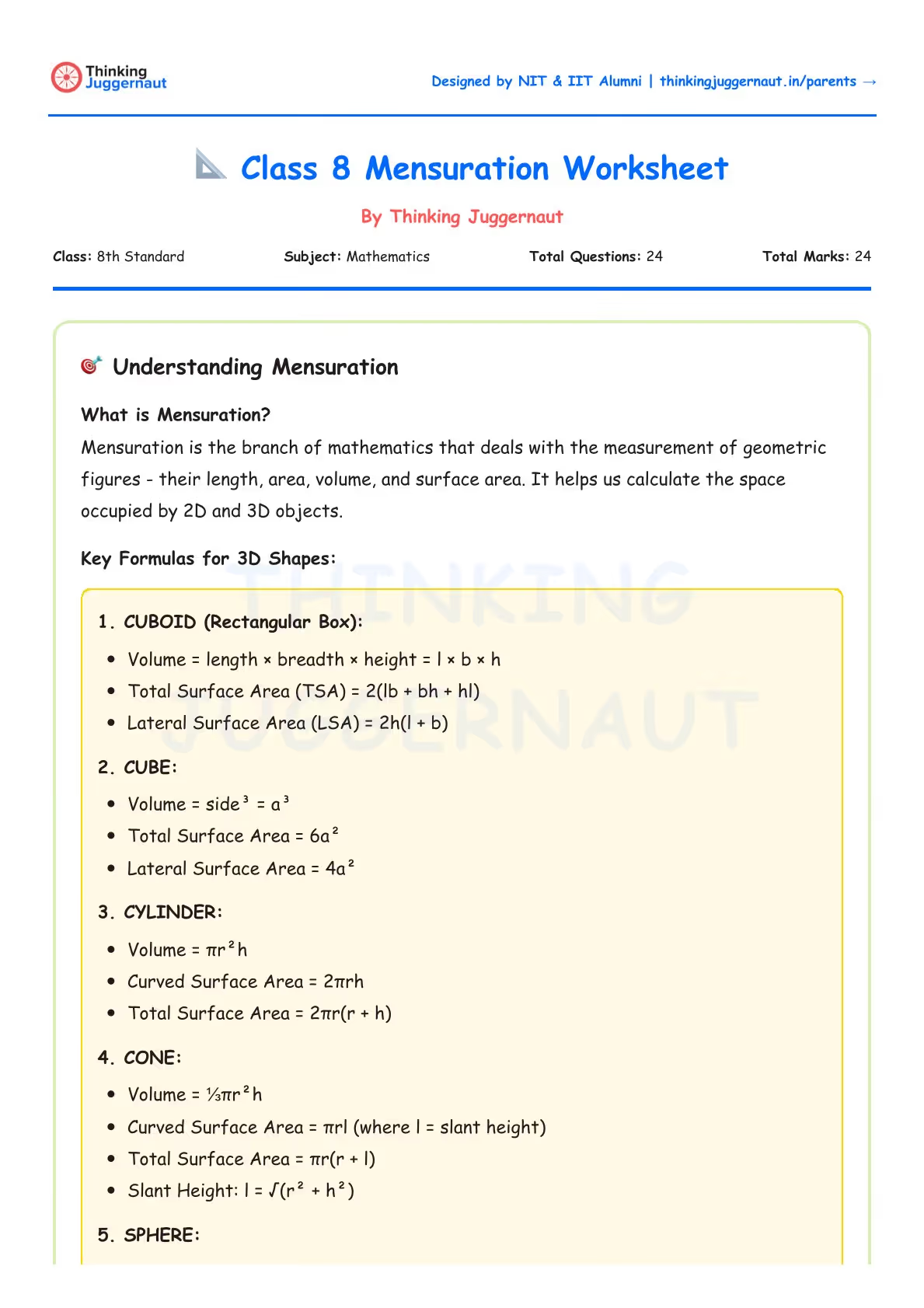
Mensuration is the branch of mathematics that deals with the measurement of geometric figures - their length, area, volume, and surface area. It helps us calculate the space occupied by 2D and 3D objects.
CUBOID (Rectangular Box):
CUBE:
CYLINDER:
CONE:
SPHERE:
HEMISPHERE:
Important Note: Use π = 22/7 or π = 3.14 as specified in the problem.
Problem: A cylindrical water tank has a radius of 3.5 m and height of 6 m. Find the volume of water it can hold and the curved surface area. (Use π = 22/7)
Solution:
Given: Radius (r) = 3.5 m, Height (h) = 6 m, π = 22/7
Step 1: VolumeV = πr²hV = 22/7 × 3.5 × 3.5 × 6V = 22/7 × 12.25 × 6V = 231 m³
Step 2: Curved Surface AreaCSA = 2πrh = 2 × 22/7 × 3.5 × 6CSA = 132 m²
Understanding: A cylinder has two circular bases (top and bottom) and a curved surface. Volume tells us how much water it can hold (in cubic meters). Curved surface area is the area of the side wall.
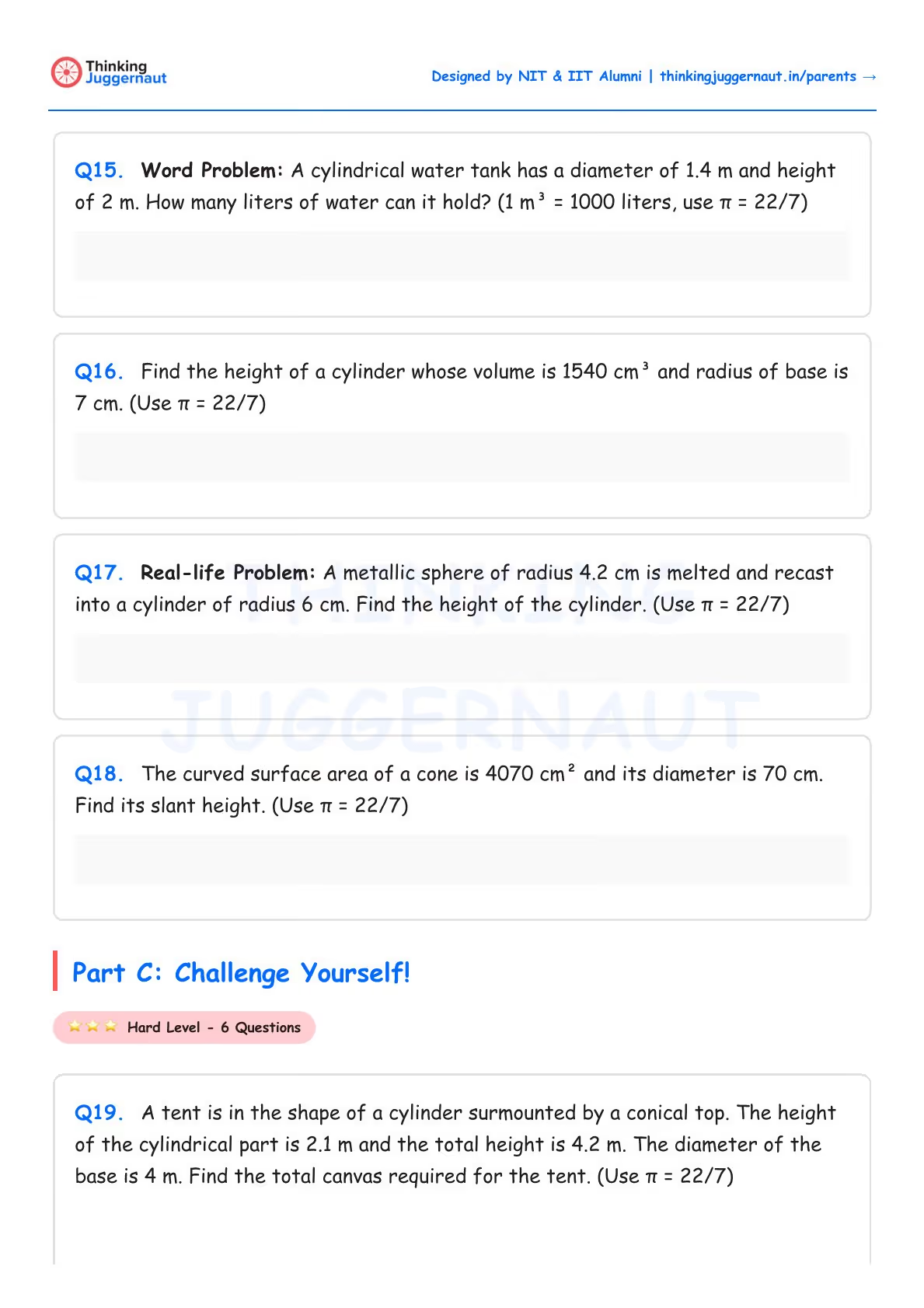
Find the volume of a cube with side 5 cm.
A cuboid has dimensions: length = 8 cm, breadth = 6 cm, height = 4 cm. Find its volume.
The radius of a sphere is 7 cm. Find its surface area. (Use π = 22/7)
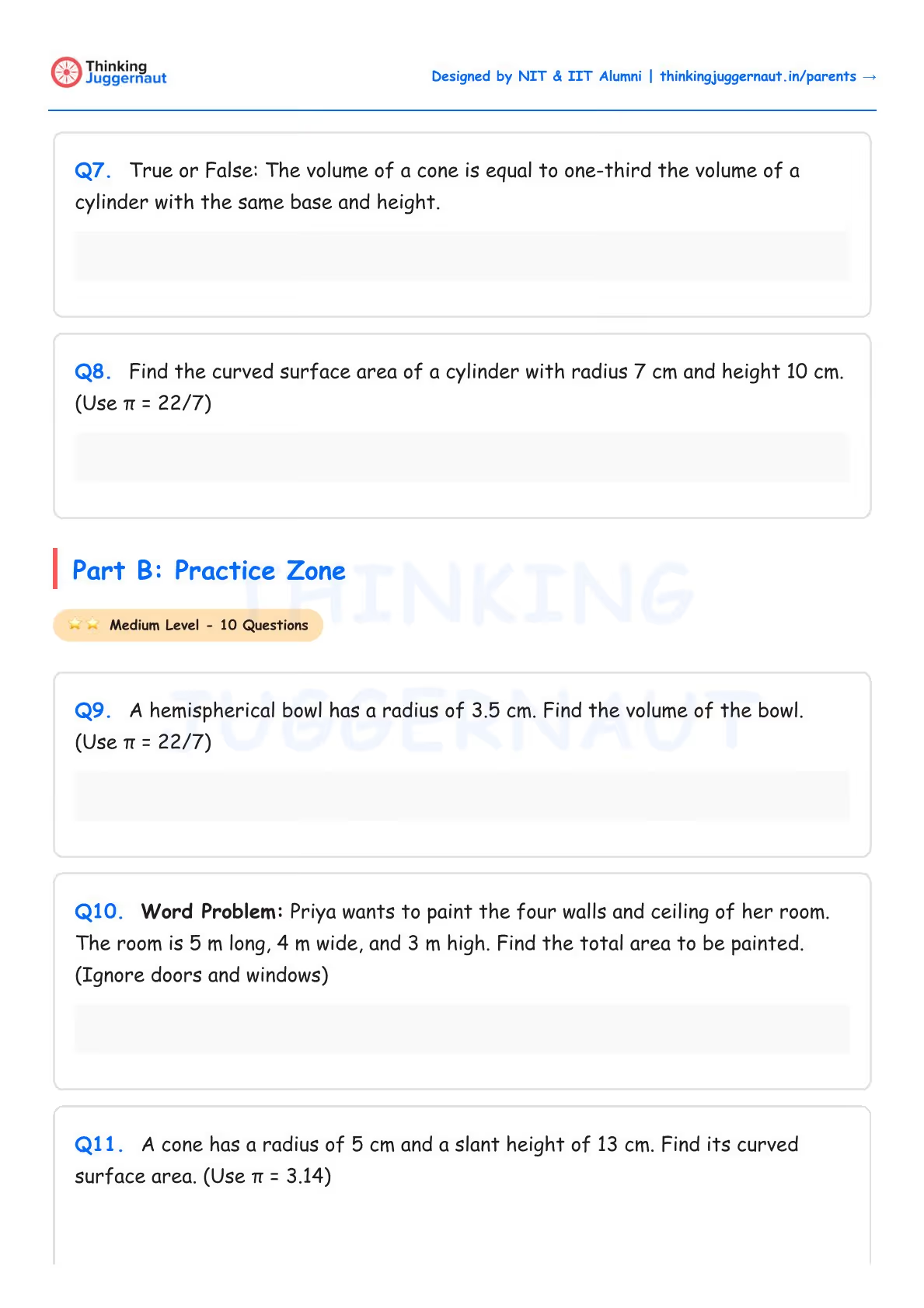
A hemispherical bowl has a radius of 3.5 cm. Find the volume of the bowl. (Use π = 22/7)
Word Problem: Priya wants to paint the four walls and ceiling of her room. The room is 5 m long, 4 m wide, and 3 m high. Find the total area to be painted.
A cone has a radius of 5 cm and a slant height of 13 cm. Find its curved surface area. (Use π = 3.14)
Picture-based Problem: A cylindrical pillar has radius 28 cm and height 3.5 m. How much concrete is needed to build it? (Use π = 22/7)
The total surface area of a cube is 384 cm². Find the length of its edge.
Real-life Problem: A metallic sphere of radius 4.2 cm is melted and recast into a cylinder of radius 6 cm. Find the height of the cylinder. (Use π = 22/7)
A tent is in the shape of a cylinder surmounted by a conical top. The height of the cylindrical part is 2.1 m and the total height is 4.2 m. The diameter of the base is 4 m. Find the total canvas required for the tent. (Use π = 22/7)
Complex Problem: A hemispherical bowl of internal radius 9 cm is full of liquid. The liquid is to be filled into cylindrical bottles of diameter 3 cm and height 4 cm. How many bottles are needed to empty the bowl?
Application Problem: A road roller has a cylindrical roller of diameter 84 cm and length 1 m. How much area will it press in 500 complete revolutions? Express your answer in m². (Use π = 22/7)
20-24 correct: Excellent! Outstanding! Move on to compound shapes, surface area of revolution, and coordinate geometry applications.
15-19 correct: Very Good! Great work! Practice more complex word problems involving combined shapes. Focus on conversion problems (sphere to cylinder, etc.).
10-14 correct: Good Effort! Keep practicing! Memorize all formulas on flashcards. Practice 10 problems daily, starting with basic shapes before combined shapes.
0-9 correct: Keep Trying! Review formulas carefully. Start with cube and cuboid, then move to cylinder. Practice finding volume and surface area separately before mixing them.
Create a formula sheet: Write all formulas on one page and keep it visible while studying
Visualize shapes: Draw diagrams for every problem - it helps understand what's being asked
Unit conversion: Always convert all measurements to the same unit before calculating
Check units in answer: Area is always in square units (cm², m²), volume in cubic units (cm³, m³)
Use π wisely: Use 22/7 for exact answers, 3.14 when specified
Word problems strategy: Identify the shape → Write given values → Choose correct formula → Calculate
Combined shapes: Break them into simpler shapes and add/subtract volumes or areas
Using diameter instead of radius (remember: radius = diameter ÷ 2)
Forgetting to square or cube when required (r² means r × r, not 2 × r)
Mixing up TSA, LSA, and CSA - read questions carefully
Not converting units (mixing cm and m in same calculation)
Confusing volume formulas (especially cone = ⅓ × cylinder)
Forgetting to multiply by π in circular shapes
Wrong formula for hemisphere (it's 2/3 πr³, not 1/3 or 4/3)
In combined shapes, counting the common base twice in surface area
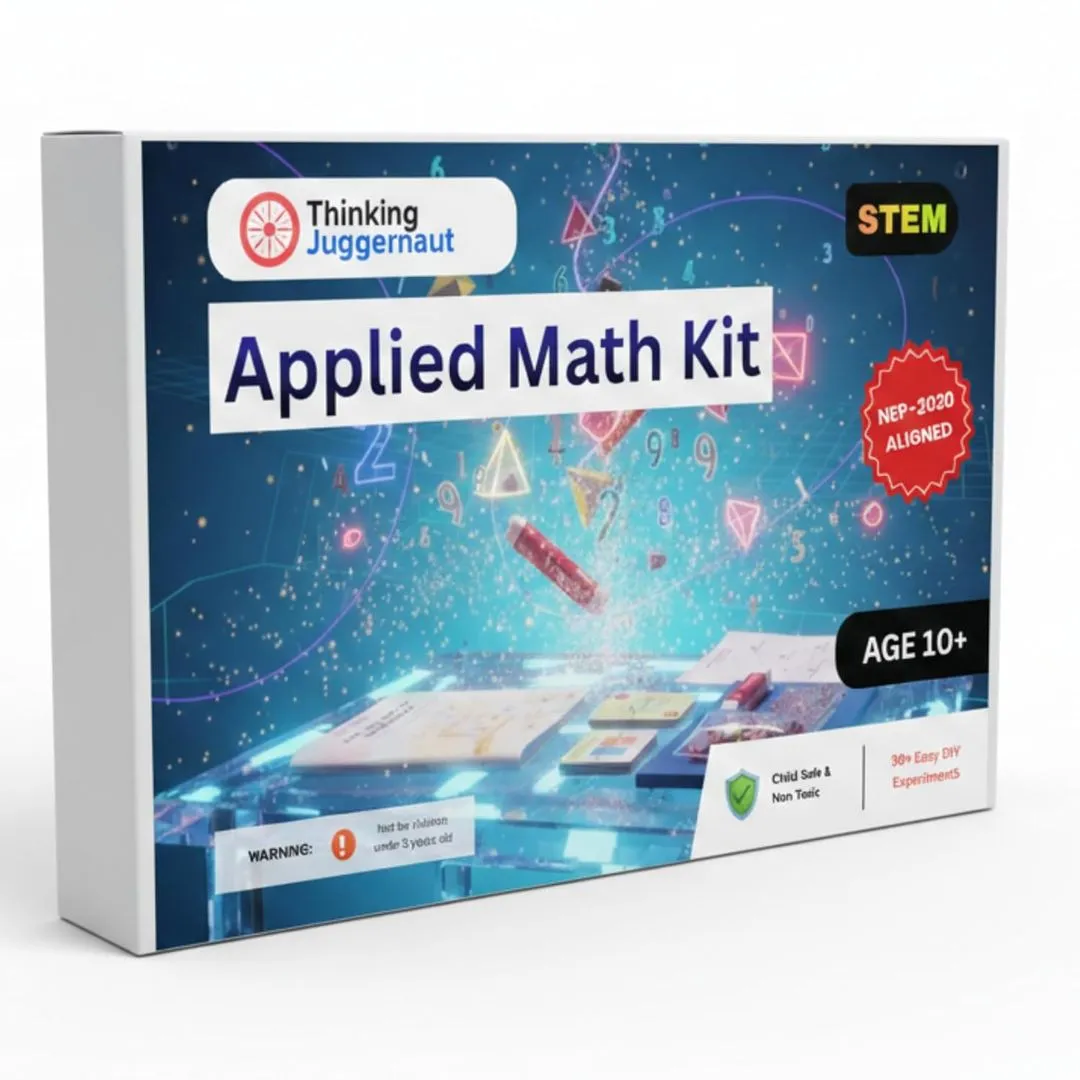
Worksheets build practice. The Applied Maths Project Kit builds understanding — 30 real-world math activities covering the same concepts your child is practising here, from multiplication and grouping to measurement and data.
Designed by IIT & NIT Alumni · NEP-2020 aligned · Trusted by parents across India
Class 8 Algebraic Expressions
Class 8 Direct and Inverse Proportion
Class 8 Exponents and Powers
Class 8 Factorisation
Class 8 Mensuration
Class 8 Rational Numbers
Not in Class 8?
Visit our Main Math Worksheet Hub to explore all printable worksheets from Class 2 to Class 8.
Almost there!
We will confirm your order on WhatsApp
Order placed!
Thank you! You will receive a WhatsApp confirmation shortly.