Rational numbers worksheet for Class 8 with 24 comprehensive problems. Learn all 8 properties, operations (addition, subtraction, multiplication, division), number line representation, and real-world applications.
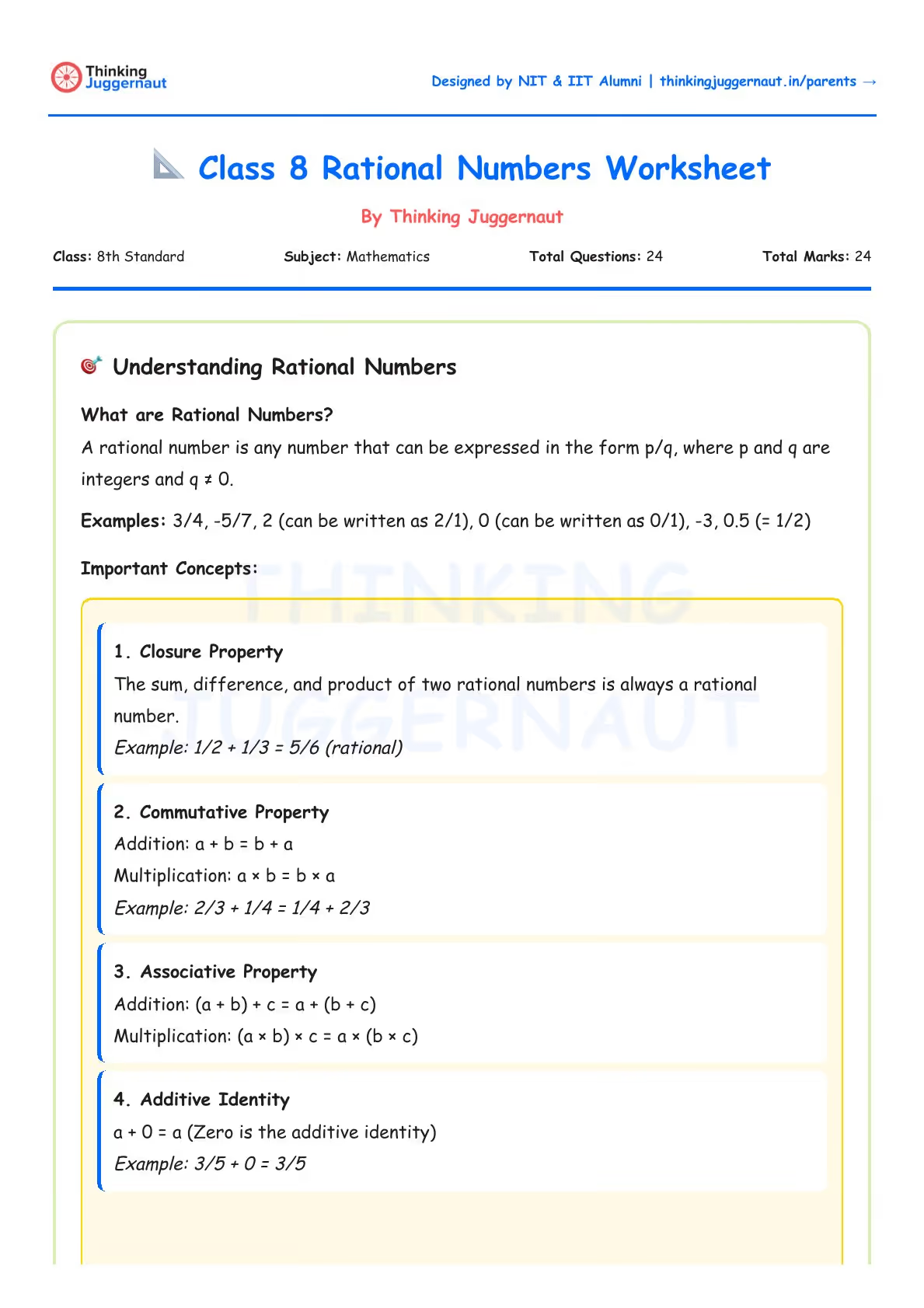
A rational number is any number that can be expressed in the form p/q, where p and q are integers and q ≠ 0.
Examples: 3/4, -5/7, 2 (can be written as 2/1), 0 (can be written as 0/1), -3, 0.5 (= 1/2)
Closure Property: The sum, difference, and product of two rational numbers is always a rational number. Example: 1/2 + 1/3 = 5/6 (rational)
Commutative Property:
Associative Property:
Additive Identity: a + 0 = a (Zero is the additive identity)
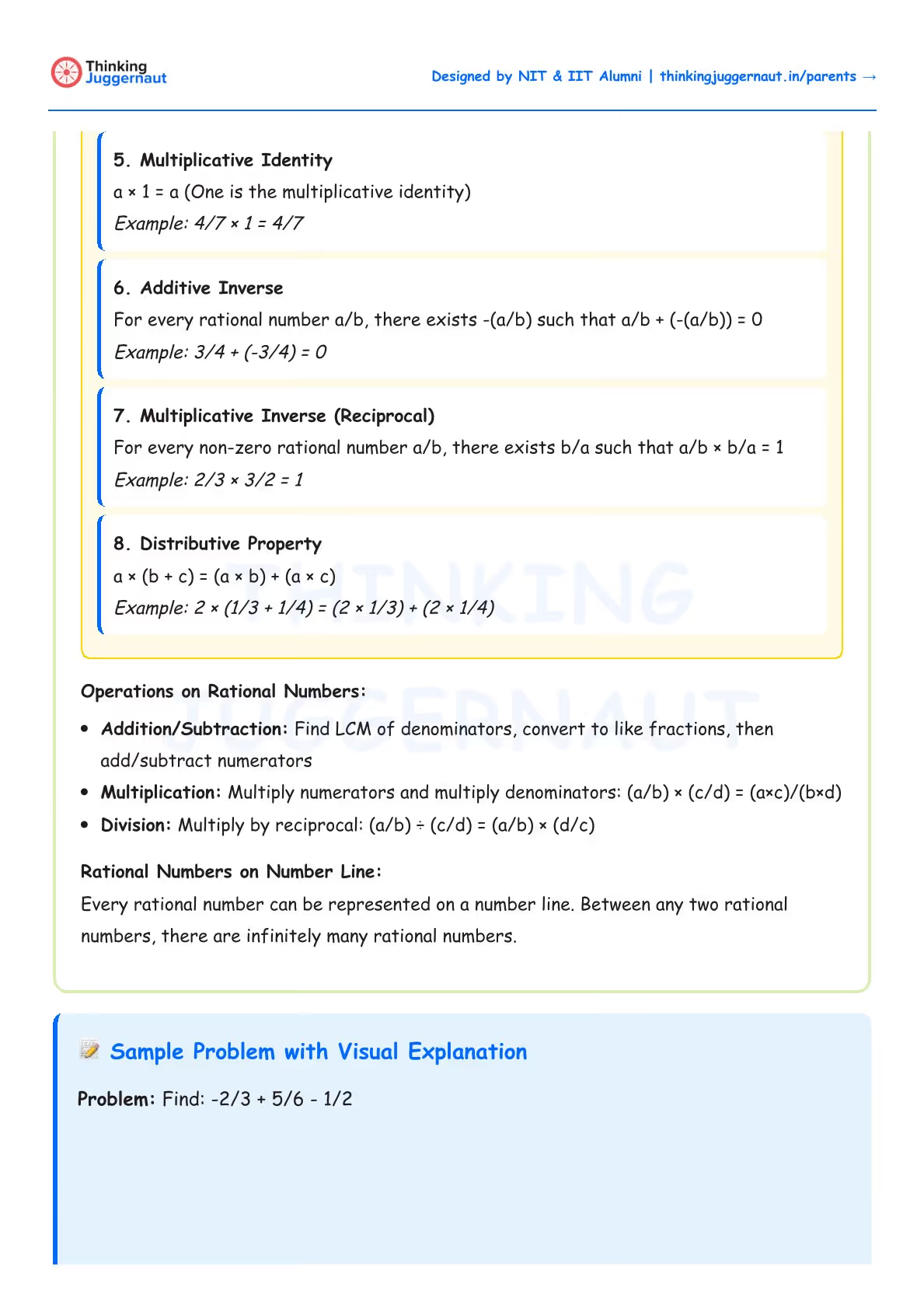
Multiplicative Identity: a × 1 = a (One is the multiplicative identity)
Additive Inverse: For every rational number a/b, there exists -(a/b) such that a/b + (-(a/b)) = 0
Multiplicative Inverse (Reciprocal): For every non-zero rational number a/b, there exists b/a such that a/b × b/a = 1
Distributive Property: a × (b + c) = (a × b) + (a × c)
Addition/Subtraction: Find LCM of denominators, convert to like fractions, then add/subtract numerators
Multiplication: Multiply numerators and multiply denominators: (a/b) × (c/d) = (a×c)/(b×d)
Division: Multiply by reciprocal: (a/b) ÷ (c/d) = (a/b) × (d/c)
Every rational number can be represented on a number line. Between any two rational numbers, there are infinitely many rational numbers.
Problem: Find: -2/3 + 5/6 - 1/2
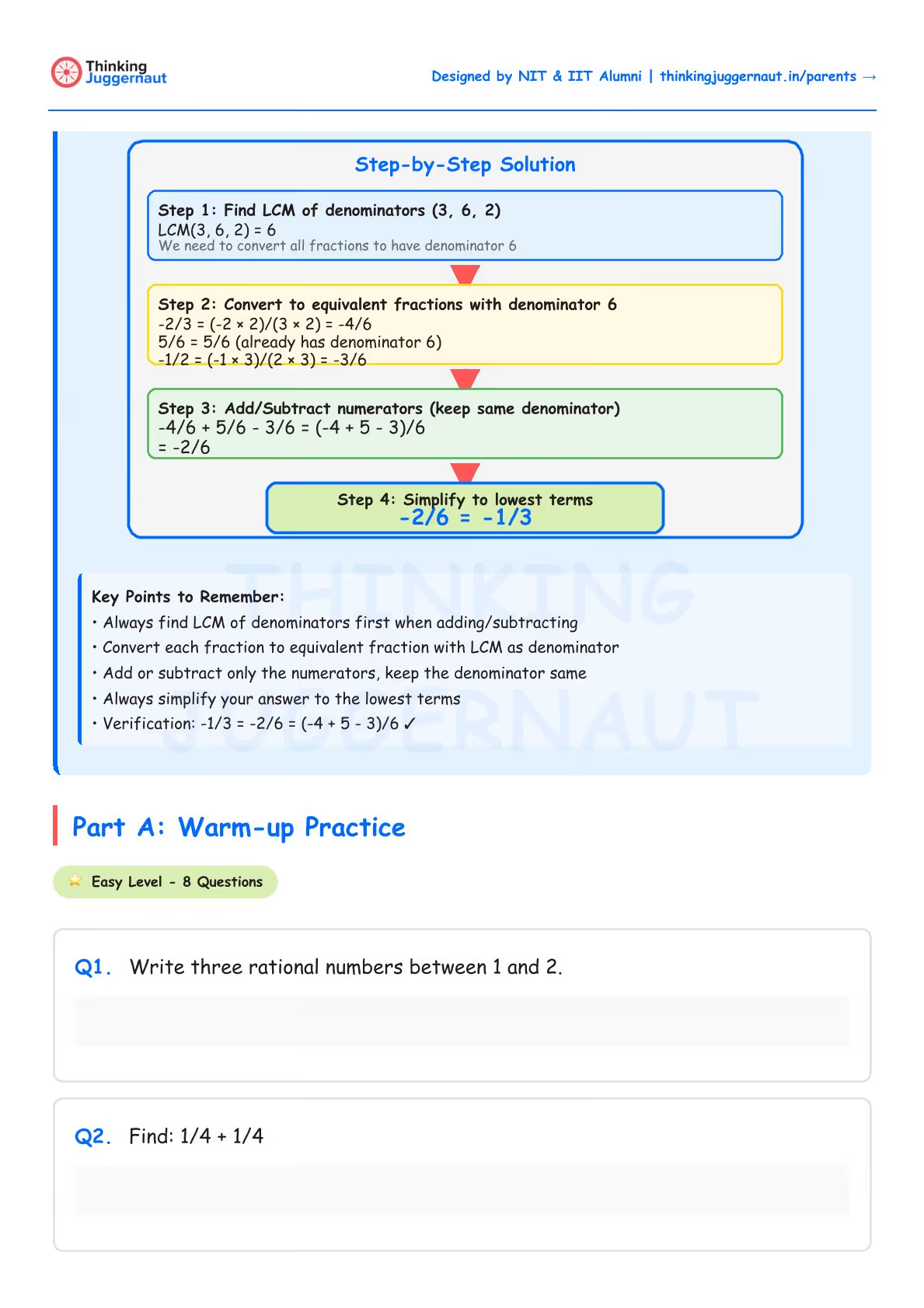
Solution:
Step 1: Find LCM of denominators (3, 6, 2)LCM(3, 6, 2) = 6
Step 2: Convert to equivalent fractions with denominator 6-2/3 = (-2 × 2)/(3 × 2) = -4/65/6 = 5/6 (already has denominator 6)-1/2 = (-1 × 3)/(2 × 3) = -3/6
Step 3: Add/Subtract numerators (keep same denominator)-4/6 + 5/6 - 3/6 = (-4 + 5 - 3)/6 = -2/6
Step 4: Simplify to lowest terms-2/6 = -1/3
Key Points: Always find LCM of denominators first when adding/subtracting. Convert each fraction to equivalent fraction with LCM as denominator. Add or subtract only the numerators, keep the denominator same. Always simplify to lowest terms.
Write three rational numbers between 1 and 2.
Find: 1/4 + 1/4
What is the additive inverse of -3/7?
Find the multiplicative inverse (reciprocal) of 5/8.
Find: 3/5 + (-2/3)
Simplify: -5/6 - 7/9
Find: (-2/5) × (3/7) × (-5/6)
Word Problem: Rani ate 1/4 of a pizza and Raj ate 1/3 of the same pizza. What fraction of the pizza did they eat together?
Divide: 5/6 ÷ (-2/3)
Find five rational numbers between -1/2 and -1/3.
Simplify: (2/3 + 1/6) - (3/4 - 1/2)
Real-life Problem: A water tank is 3/4 full. If 1/6 of the water is used, what fraction of the tank is still filled?
Simplify using distributive property: -3/5 × (7/2 - 2/3)
The sum of two rational numbers is -3/5. If one of them is 2/3, find the other.
Complex Problem: A rectangular field is 7/4 km long and 3/2 km wide. Find its area in square kilometers. If the cost of fencing is ₹150 per km, what is the total cost of fencing the field?
Verify the distributive property for: a = 1/2, b = -2/3, c = 3/4. Show that: a × (b + c) = (a × b) + (a × c)
Challenge Problem: Three friends Amit, Priya, and Kabir shared a cake. Amit ate 2/5 of the cake, Priya ate 1/4 of the remaining cake, and Kabir ate 1/2 of what was left after Priya. What fraction of the original cake is still remaining?
20-24 correct: Excellent! Outstanding! Move on to linear equations in one variable, algebraic expressions, and advanced fraction problems.
15-19 correct: Very Good! Great work! Practice more complex word problems and mixed operations. Focus on problems requiring multiple steps and property verification.
10-14 correct: Good Effort! Keep practicing! Memorize all properties with examples. Practice finding LCM for addition/subtraction and converting to reciprocals for division. Do 15 problems daily.
0-9 correct: Keep Trying! Review the concept section carefully. Start with addition of simple fractions with same denominators, then different denominators. Master one operation before moving to the next.
Master LCM: Quick LCM finding is essential for adding/subtracting rational numbers
Remember reciprocals: Division means multiply by reciprocal (flip the second fraction)
Simplify always: Always reduce your answer to the lowest terms (divide by HCF)
Sign rules: Negative × Negative = Positive; Negative × Positive = Negative
Property cards: Create flashcards for all 8 properties with examples
Number line practice: Draw number lines and mark fractions to visualize better
Word problems: Identify the operation needed (together = add, left = subtract, of = multiply, per/each = divide)
Adding/subtracting numerators AND denominators (WRONG: 1/2 + 1/3 ≠ 2/5)
Forgetting to find LCM before adding/subtracting unlike fractions
Not simplifying the final answer to lowest terms
Confusing additive inverse with multiplicative inverse (reciprocal)
Wrong signs: forgetting that -(-a) = +a
In division, multiplying by the same fraction instead of its reciprocal
In word problems: "of" means multiply, not add!
Thinking 0 has a multiplicative inverse (it doesn't - can't divide by 0!)
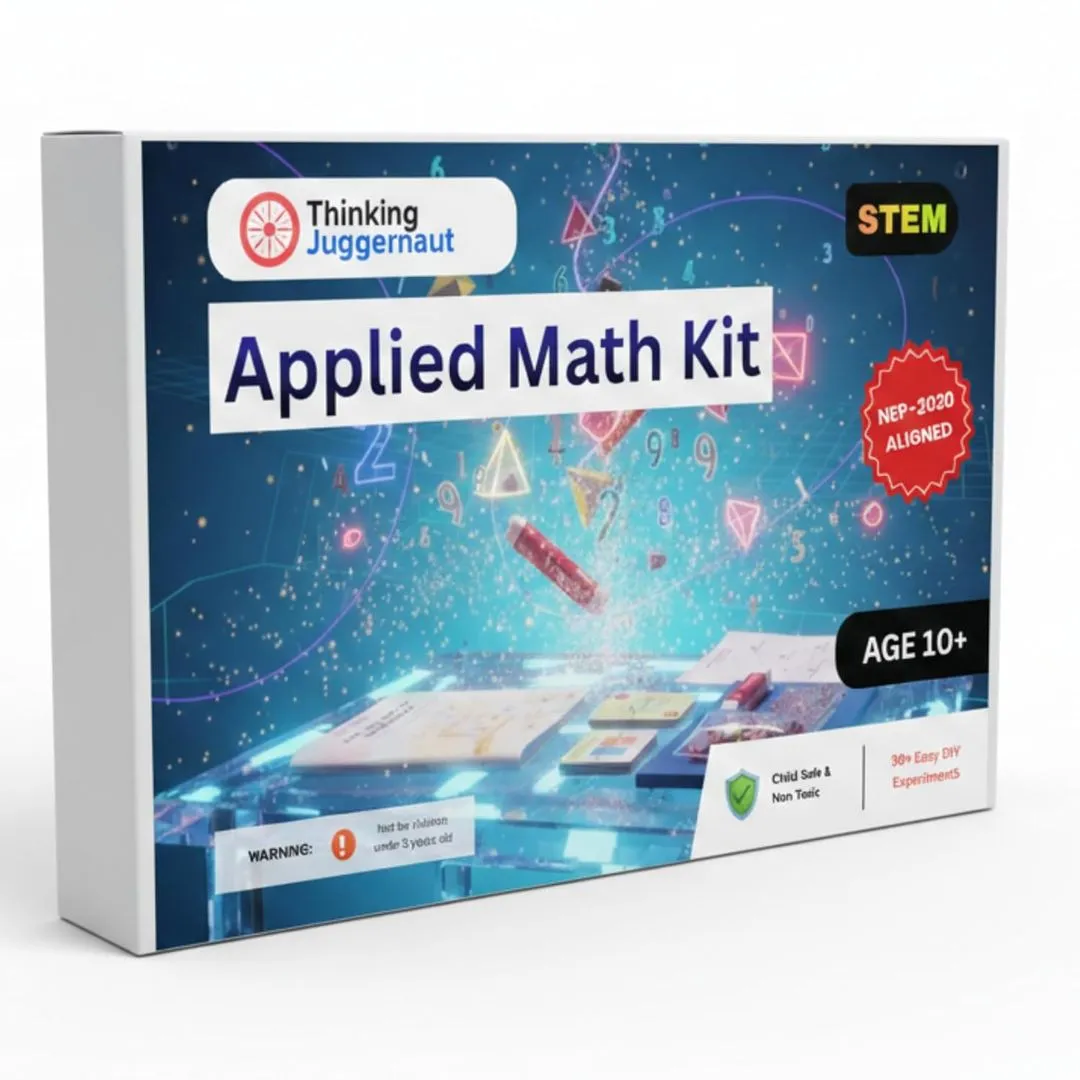
Worksheets build practice. The Applied Maths Project Kit builds understanding — 30 real-world math activities covering the same concepts your child is practising here, from multiplication and grouping to measurement and data.
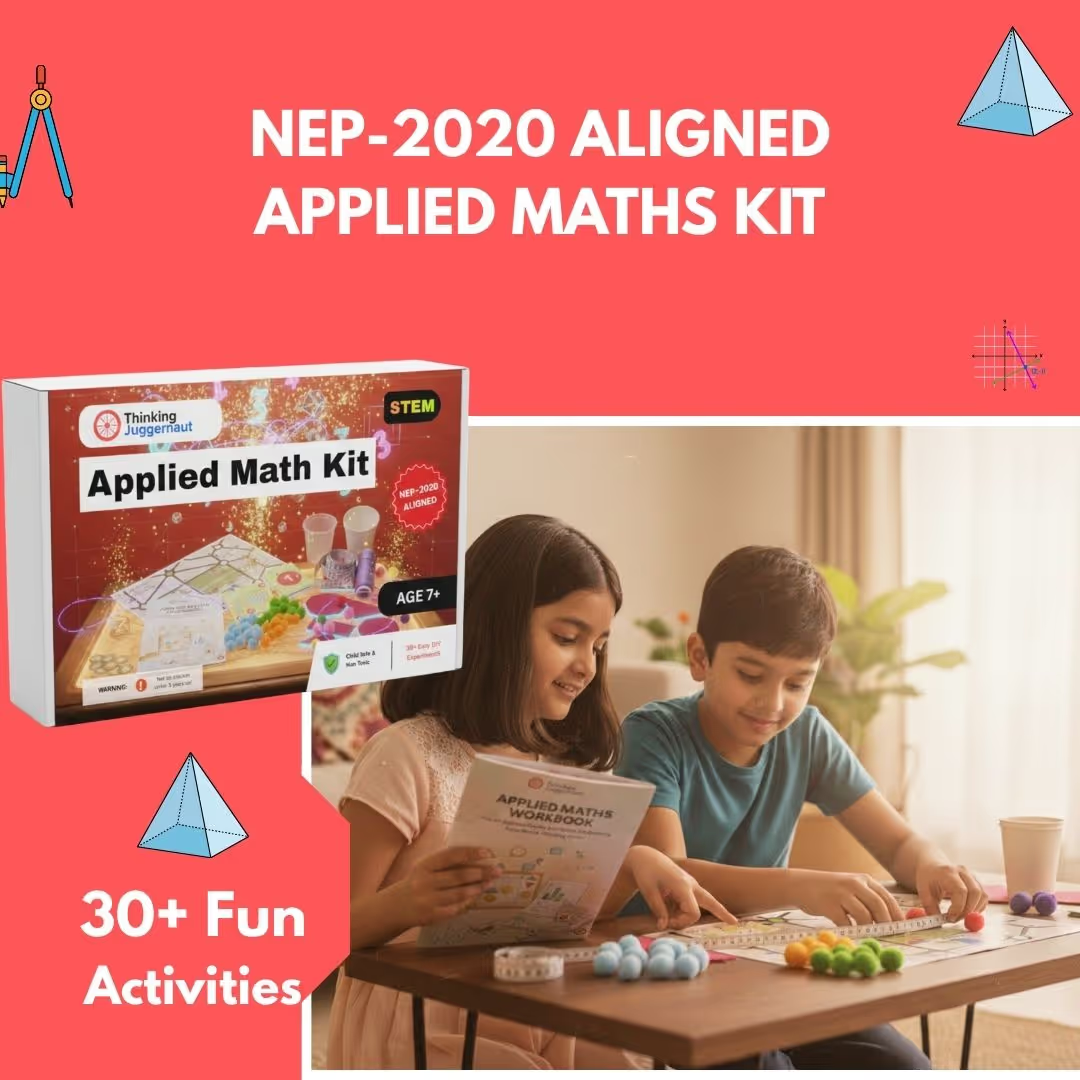
Designed by IIT & NIT Alumni · NEP-2020 aligned · Trusted by parents across India
Class 8 Algebraic Expressions
Class 8 Direct and Inverse Proportion
Class 8 Exponents and Powers
Class 8 Factorisation
Class 8 Mensuration
Class 8 Rational Numbers
Not in Class 8?
Visit our Main Math Worksheet Hub to explore all printable worksheets from Class 2 to Class 8.
Almost there!
We will confirm your order on WhatsApp
Order placed!
Thank you! You will receive a WhatsApp confirmation shortly.